


You've been there. The pill gets spit out. The liquid ends up on the counter. Your cat disappears the moment she hears the pill bottle rattle, and your dog has learned to eat around the tablet you buried in his food.
Getting pets to take their medication is genuinely hard — and sometimes the problem isn't your technique. It's that the medication itself isn't made for your animal. Commercial drugs come in set doses, standard forms, and formulations designed for the average patient. Your pet isn't average. At Greenhill Pharmacy, we work with veterinarians across Upstate South Carolina to prepare compounded pet medications that are tailored to your specific animal — the right dose, the right form, the right flavor.
Here's what you need to know about veterinary compounding, when it makes sense, and how to find the right compounding pet pharmacy near you.
What Does a Veterinary Compounding Pharmacy Actually Do?
A veterinary compounding pharmacy — sometimes called a compounding pet pharmacy or animal compounding pharmacy — creates customized medications for individual animals based on a prescription from a licensed veterinarian.
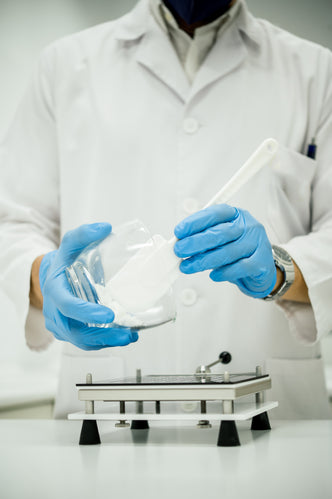
Unlike a commercial drug that comes off a production line in one dose and one form, a compounded medication is prepared specifically for your pet. That might mean a different concentration, a different delivery method, or a flavor your dog or cat will actually accept. Every compound requires a valid veterinary prescription. The compounding pharmacist works directly with the prescribing vet — never around them — to prepare the right formulation for that specific patient.
At Greenhill, we compound medications for dogs, cats, horses, birds, reptiles, and other exotic animals. If your vet has prescribed it and it can be compounded, we want to help you get it done.
Why Vets Prescribe Compounded Medications
There are several common reasons a veterinarian might write a prescription for a compounded formulation rather than a commercially available drug.
The right dose doesn't exist commercially. A small breed dog may need a fraction of the smallest available tablet. A large horse may need a concentration that isn't manufactured at scale. Compounding allows the pharmacist to prepare exactly what the prescribing vet ordered.
Your pet won't take the standard form. Many cats, in particular, resist pills. A transdermal gel applied to the ear flap, a flavored liquid, or a chewable treat formulation may be far easier to administer — and more likely to result in your pet actually receiving their full dose, as directed by your vet.
The commercial version contains something your pet can't tolerate. Some animals have sensitivities to dyes, fillers, or preservatives found in manufactured medications. A compounded formulation can be prepared without those ingredients, as prescribed.
The medication has been discontinued or is temporarily unavailable. Drug shortages happen. When a commercial product your pet depends on becomes unavailable, a compounding pharmacist may be able to prepare an alternative — with your vet's prescription and guidance.
Common Animals and Conditions Served
Veterinary compounding isn't limited to cats and dogs, though they make up the majority of prescriptions we fill. Here's a general overview of the species and situations where compounding may be appropriate, always as prescribed by a licensed veterinarian:
Dogs: Thyroid support medications, pain management formulations, behavioral medications, dermatological preparations, and anti-fungal or anti-parasitic compounds at species-appropriate doses.
Cats: Hyperthyroidism management (often via transdermal application for cats who resist oral medication), anxiety support, pain management, and anti-infective preparations.
Horses and large animals: Dose flexibility is one of the most common reasons equine vets prescribe compounded formulations — concentrations and volumes required for large animals often fall outside what's commercially available.
Exotic animals, reptiles, and birds: Commercial drug dosing is rarely studied or labeled for exotic species. A compounding pharmacist can work with your exotic vet to prepare formulations appropriate for your specific animal and the dose your vet has prescribed.
All compounded medications require a valid prescription from a licensed veterinarian. We do not dispense without one.
What Forms Can a Compounded Pet Medication Come In?
One of the most practical advantages of veterinary compounding is flexibility in the delivery form. Depending on what your vet prescribes and what will work best for your animal, a compounded medication may be prepared as:
| Form | Common Use |
|---|---|
| Flavored liquid | Dogs and cats who resist pills; chicken, fish, beef, or bubblegum flavors available |
| Chewable treat | Dogs; medication blended into a palatable treat base |
| Transdermal gel | Cats; applied to the inner ear flap for easy, low-stress administration |
| Capsule at custom dose | When the commercially available strength doesn't match the prescription |
| Topical cream | Dermatological applications for skin conditions |
| Oral suspension | Exotic animals, birds, or small mammals requiring precise low-volume dosing |
Your vet will specify the form on the prescription. If you have questions about which form might be easiest to administer at home, our pharmacists are happy to talk through the options with you and your provider.
How to Find a Veterinary Compounding Pharmacy Near You in Upstate South Carolina
Not every pharmacy can compound veterinary medications. When you're looking for a compounding pet pharmacy, here's what matters:
- State-licensed and in good standing with the South Carolina Board of Pharmacy
- 503A designation — meaning the pharmacy prepares patient-specific compounds based on individual prescriptions, not large batches
- Direct communication with your vet — a good compounding pharmacist coordinates closely with the prescribing veterinarian, not just the pet owner
- Experience with veterinary formulations — flavored bases, transdermal preparations, and species-appropriate dosing require specialized knowledge
Greenhill Pharmacy is located at 2531 Woodruff Rd, Suite 107 in Simpsonville, SC, and serves pet owners throughout Upstate South Carolina — including Greenville, Greer, Anderson, Mauldin, and surrounding communities. For pet owners outside the immediate area, we also offer statewide SC shipping with free shipping on orders over $99.
Talk to your vet about whether a compounded formulation may be right for your pet. Then contact Greenhill Pharmacy — we'll work directly with your veterinary provider to prepare the right formulation for your animal's specific needs.
Frequently Asked Questions About Veterinary Compounding
What is a veterinary compounding pharmacy?
A veterinary compounding pharmacy is a licensed pharmacy that creates customized medications for individual animals based on a prescription from a licensed veterinarian. Rather than dispensing a commercially manufactured drug, the compounding pharmacist prepares a formulation tailored to the specific animal — adjusting dose, form, or flavor as prescribed.
Can a regular pharmacy fill veterinary prescriptions?
Some standard pharmacies can fill commercially available medications written for animals when a human equivalent exists. However, most retail pharmacies cannot compound — meaning they cannot customize the dose, change the form, or add flavoring. For compounded veterinary prescriptions, you'll need a pharmacy licensed and equipped to prepare custom formulations.
Will CVS or Walgreens fill compounded pet medications?
Large chain pharmacies generally do not offer compounding services. They may be able to fill a veterinary prescription if the medication is a standard commercial drug, but they typically cannot prepare custom concentrations, flavored liquids, transdermal gels, or other compounded forms. For those formulations, a dedicated compounding pharmacy is necessary.
Do I need a prescription for a compounded pet medication?
Yes. All compounded medications — for people and animals — require a valid prescription from a licensed prescriber. For your pet, that means a prescription from your veterinarian. Greenhill Pharmacy does not dispense compounded medications without one.
Is veterinary compounding safe?
Veterinary compounding performed by a licensed 503A compounding pharmacy, under a valid veterinary prescription, follows established standards for pharmaceutical compounding. The FDA provides guidance on compounded animal drugs, and your compounding pharmacist and veterinarian work together to ensure the formulation is appropriate for your specific animal. Talk to your vet about the benefits and any potential considerations for your pet.
How do I get a compounded medication for my pet in South Carolina?
Start with your veterinarian. If a compounded formulation may be appropriate, your vet will write a prescription specifying the medication, dose, form, and species. Bring or send that prescription to Greenhill Pharmacy — we'll coordinate directly with your vet's office and prepare the formulation as prescribed. Contact us here or call 864-520-1550.
Your Pet Deserves a Medication That Works for Them
Commercial medications serve most patients most of the time. But when they don't — when the dose is wrong, the form is impossible, or the formulation contains something your animal can't tolerate — compounding fills the gap.
At Greenhill Pharmacy, we believe the triad works the same way for your pet as it does for you: your veterinarian prescribes, we compound, your pet gets a formulation prepared specifically for their needs. That's personalized care — for every member of your family, furry, feathered, or scaly.
Ready to get started? Contact Greenhill Pharmacy or call us at 864-520-1550. We'll work directly with your vet to get your pet the medication they need.
This content is for informational purposes only and is not intended as medical advice. Compounded medications require a valid prescription from a licensed healthcare provider. Always consult your physician or qualified healthcare practitioner before starting, stopping, or changing any medication or treatment regimen. Greenhill Pharmacy prepares compounded formulations in collaboration with prescribing providers under South Carolina state board of pharmacy regulations.